Flagstar Bank is Open for Workouts

Four Bronx rental buildings changed hands at prices ranging from $51,020 to $58,824 per unit recently. This is well below even the $70,000 to $90,000 per unit that comparable stabilized walkups in the same submarkets commanded as recently as 2024. None of the four carried an HDFC, Article XI, or Mitchell-Lama regulatory agreement that might explain the discount through a regulatory subsidy structure. These are plain-jane rent-stabilized walkups trading at prices that reflect a rent freeze equal one year or longer paired with a rising treasury market that just pushed acquisition financing to its highest cost since January 2025.
For investors with patient capital, a genuine value-add thesis, or simply a lower cost basis than the last cycle’s sellers, the basis reset is here and opportunities are out there.
Market Context
The Rent Guidelines Board’s June 25 vote froze rents at 0% on both one- and two-year stabilized leases, the first two-year freeze in the board’s history. Mayor Mamdani has layered a second measure on top of the freeze, which is a July 2026 tenant-protection package that bars landlords from requiring both a credit check and the 40-times-rent income standard (only one is now permitted), formally recognizes tenant unions, and makes eviction harder.
That last point drew commentary from All-In Podcast, the venture capital tech podcast hosted by Chamath Palihapitiya, Jason Calacanis, David Sacks, and David Friedberg in its July 24th episode. All of the hosts are billionaires, but billionaires with limited exposure to NYC multifamily so it’s interesting to hear their commentary. In a recurring segment the hosts call “Socialism Corner,” Friedberg traced the freeze and eviction restrictions to a broader argument about property rights, quoting John Quincy Adams:
“The moment the idea is admitted into society that property is not as sacred as the laws of God, anarchy and tyranny commence. Property must be secured or liberty cannot exist.”
Sacks made the more practical argument on the same segment: a landlord who can no longer screen tenants for credit or income, and can no longer evict, will simply raise the asking rent and require a year prepaid, an outcome that falls hardest on the very renters the policy is meant to protect. It’s also remarkable to have folks so far removed from NYC multifamily commenting on it as they do. Whatever one makes of the framing, the mechanism the hosts describe is the one underwriters are already pricing into these Bronx trades: a stabilized rent roll with no room to grow for at least a year, held against acquisition debt that got materially more expensive in the same month.
The 10-year Treasury yield closed at 4.75% last Frida July 31, its highest level since January 2025, after Brent crude spiked above $100 a barrel intraday on renewed Iran-linked tanker attacks in the Strait of Hormuz. The Fed held its benchmark rate at 3.50% to 3.75% at its July 29 meeting, a decision three regional bank presidents dissented from because they wanted to raise rates a quarter point, and raised its year-end inflation projections rather than signaling near-term relief. War has been bad for business twice over this cycle: once through the oil shock itself, and again through the Treasury yield spike it induced.
The Transactions
1181 Sheridan Avenue, Concourse
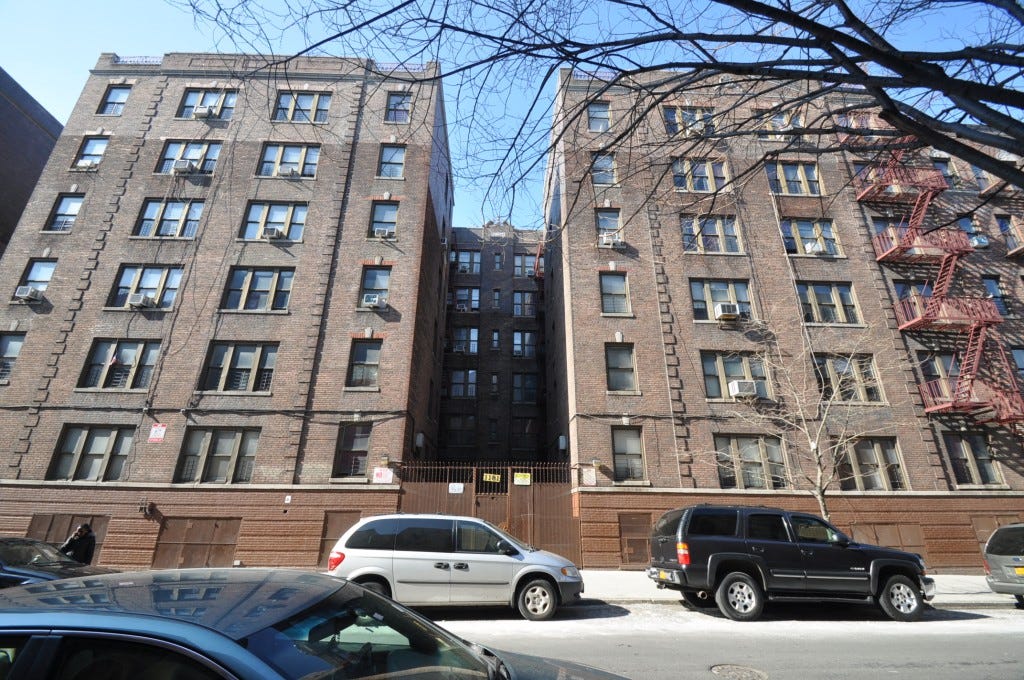
67-unit walkup
Sold for $3.965 million
$59,179 per unit
$55 per square foot
April 30, 2026 transaction date
1265 Walton Avenue, Concourse
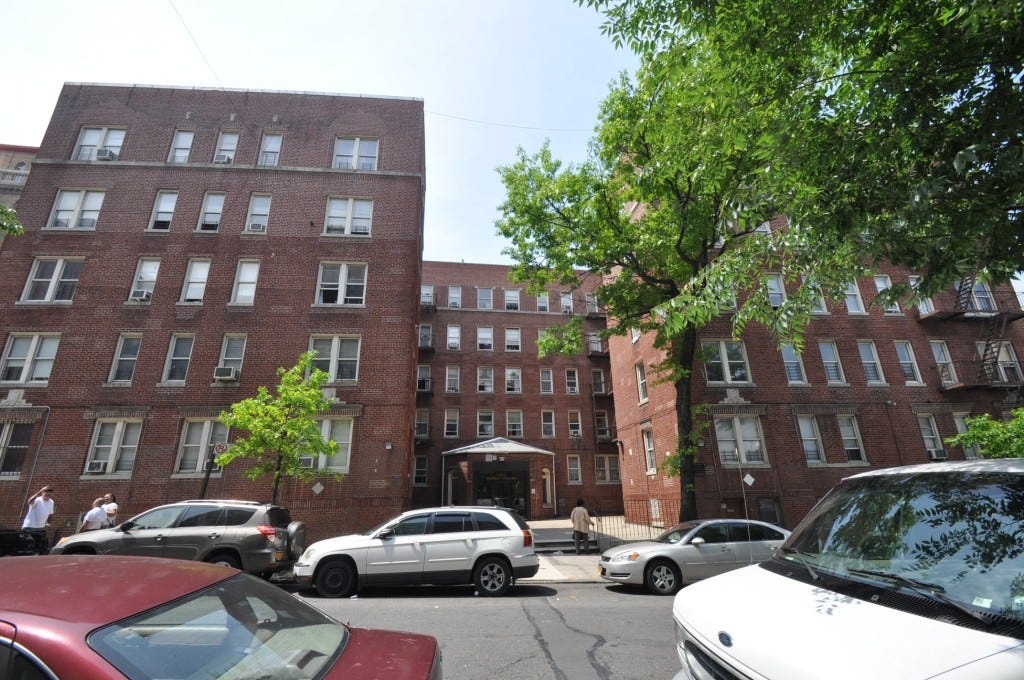
68-unit walkup
Sold for $4.0 million
$58,824 per unit
$56 per square foot
May 12, 2026 transaction date
2256 Walton Avenue, Fordham Heights
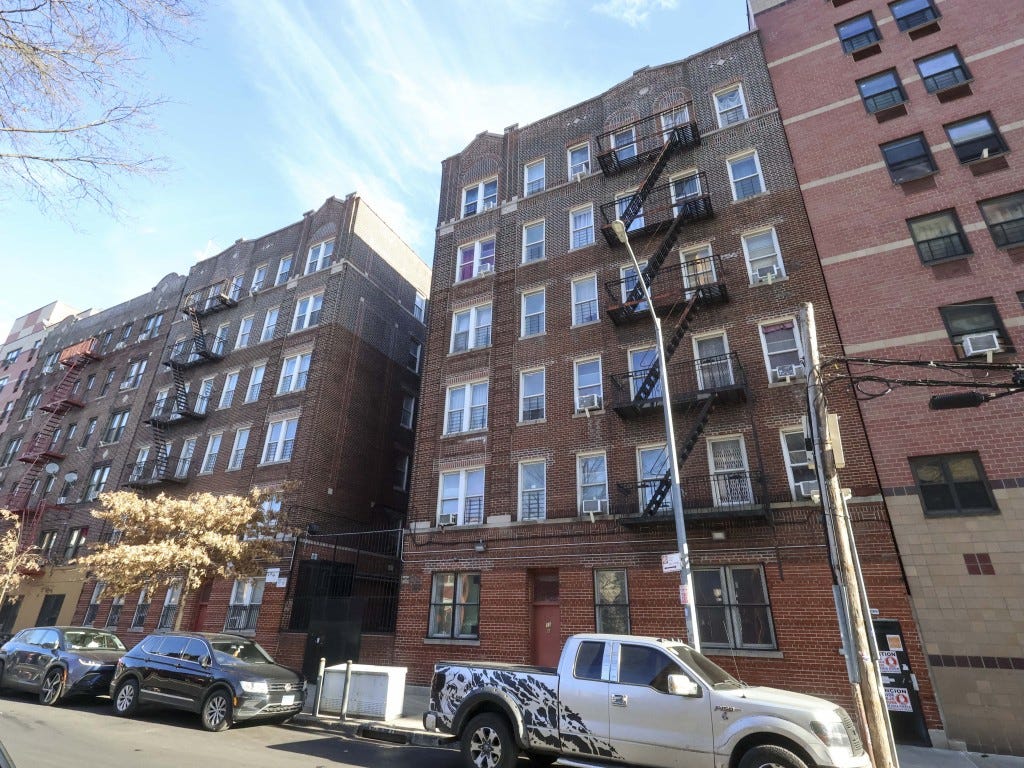
43-unit walkup
Sold for $2.5 million
$58,140 per unit
$67 per built square foot
June 16, 2026 transaction
1326 Commonwealth Avenue, Soundview
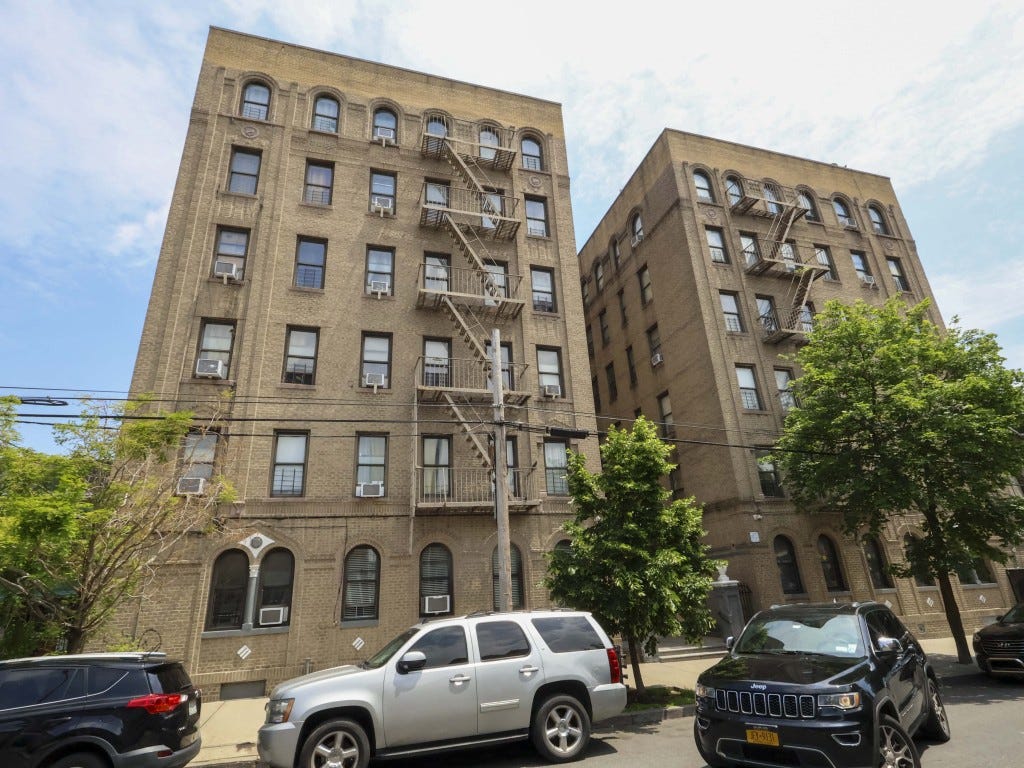
47-unit elevator building
Sold for $2.45 million
$52,127 per unit
$69 per built square foo
May 28, 2026 transaction
The Flagstar News
Besides the pricing pressures we covered in the opening paragraphs, lenders agreeing to discounted loan payoffs have played an important role in allowing transactions to settle. When asset valuations are beneath loan balances, the first hurdle to cross is the seller’s willingness to take a large hit. The second barrier is the lender’s willingness to accept a charge-off on a loan. In the case of the market today, this is something that is happening.
Unrelatedly…
Flagstar Bank currently has recently launched the search for a Special Assets Officer, an AVP role posted for its Hicksville, NY headquarters or Midtown Manhattan office. The job listing says the hire would manage “a portfolio of commercial real estate/multifamily loans” and assists with reporting and litigation. The job description tasks the workout profession to “continue build out of proper Special Assets organizational structure to support volume and adequate management of loan portfolio.” The bank is actively hiring a separate Loan Workout Analyst as well.
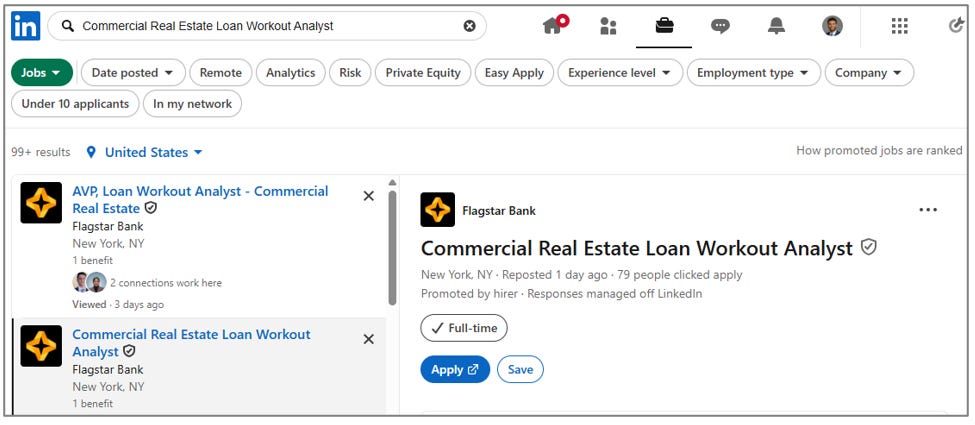
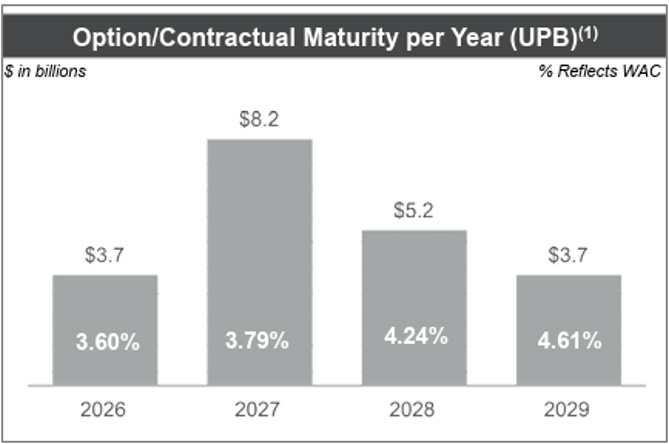
Job postings are not earnings calls, and this office is not in the business of overreading a wanted ad. But this signal is hard to ignore given Flagstar’s upcoming maturity cliff of $8.2bn of multifamily loans, $2.9bn of which are collateralized by assets that are > 50% rent stabilized and whose values might be at or below $50,000 per unit. The mandate has shifted and the willingness to do workouts is going to increase.
From Flagstar’s Q1 Earnings Report
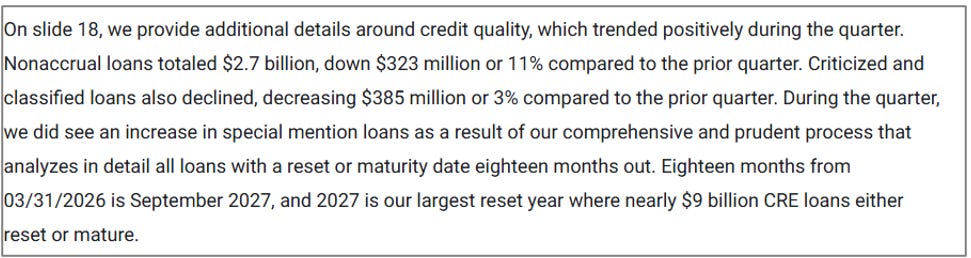
From Q1 2026 Earnings Presentation, the below chart showcases the loom maturity cliff in 2027. Such a big increase in maturities/repricing runs counter to the bank’s goal of reducing its non-accrual balance of $2.8bn.
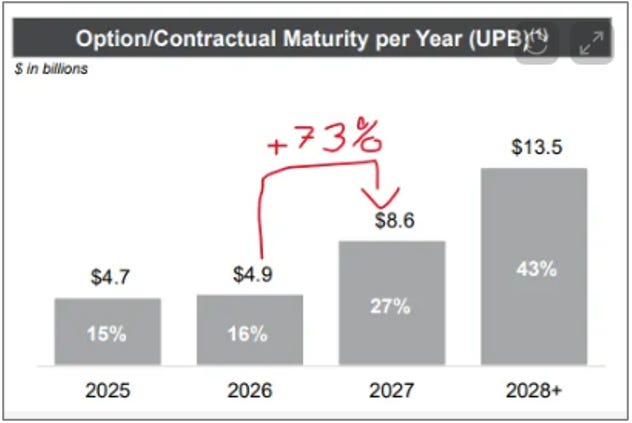
The same chart From Q4 2025 Earnings Presentation, adds perspective about the scale of the cliff, contrasted to prior years.
For my prior commentary on Flagstar and its meaning for Multifamily assets, check out:
Parting Thoughts
The math on these four trades does not require a bet that the rent freeze reverses itself next year (though perhaps not indefinitely). The basis is low enough. At 90% occupancy levels, these properties will make money. Investors should not expect this pricing to persist indefinitely. Further, if any of the following scenarios become reality or inch closer to passing into law, pricing will swing back upwards: rent resets legislation gets greenlit, interest rates decline, or if SPONY’s taking-clause litigation succeeds in court - all of which would really boost returns.
For buyers with the balance sheet to hold through 2027 without relying on rent growth, today may be a good opportunity to purchase.
Reach out to us! rs@sinclairrrealtyco.com

I am bullish on NYC multifamily.
Best Regards,
Romain Sinclair
646 817 4784